An NGO or project team in Syria can hire self-drive vehicles by the day for assessment missions, by the month for staff on assignment, or on a 12–36 month corporate lease for a running programme. Before the first car arrives, settle four things: who will drive, which roads they will use, which contract fits the timeline, and who handles fines and incidents.
Programme managers and logistics officers ask us the same questions in a slightly different order every time, usually a week before a team lands. This page puts them in one place. It is written for whoever has to sign the vehicle line — not for the people who will drive.
Three timelines, three contracts
Most organisations need vehicles on one of three timelines, and each has a footing that suits it.
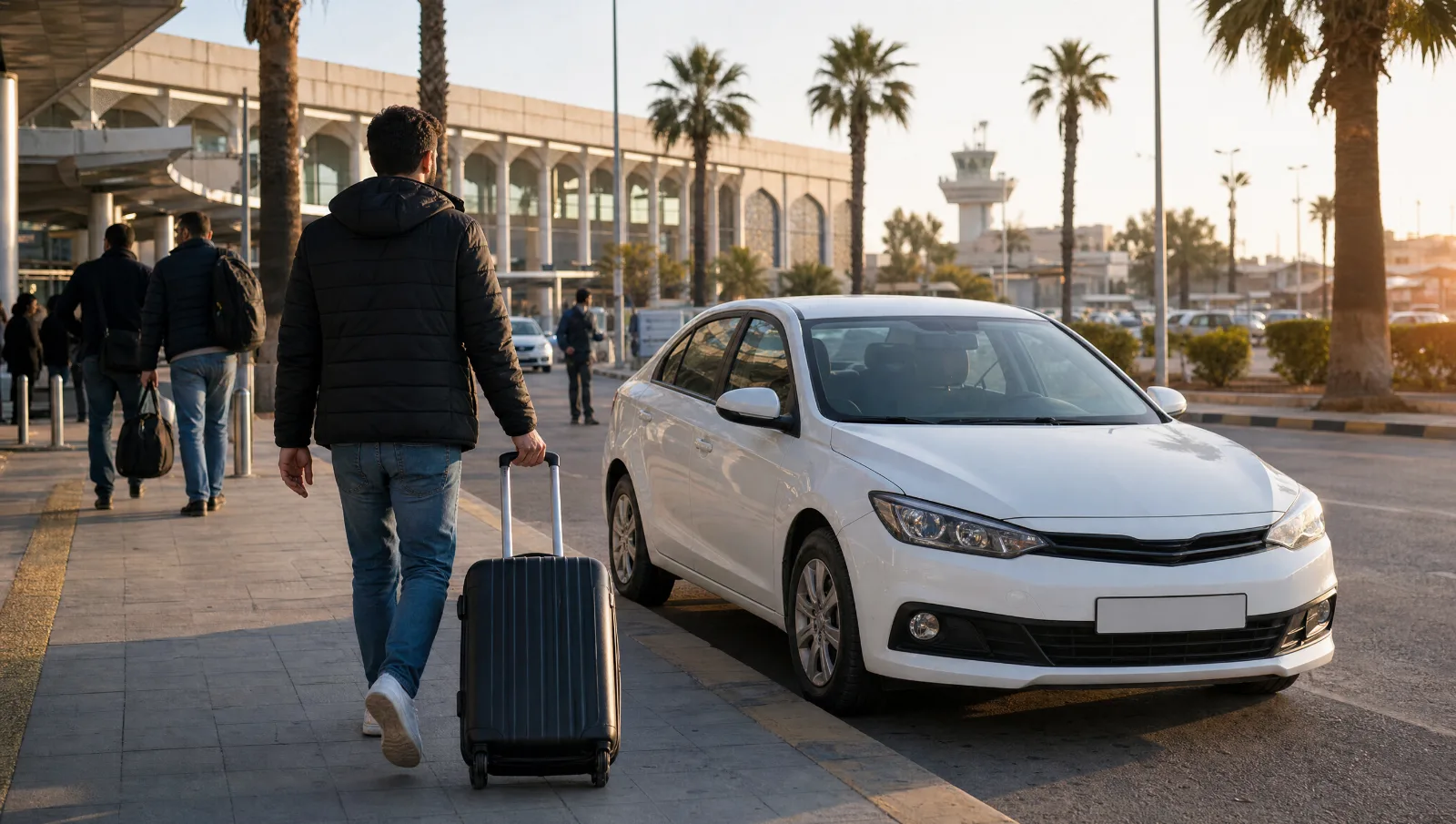
A mission of days. An assessment visit, an evaluation, a donor trip. Book by the day, choose exactly the classes you need, and have the cars delivered to Damascus International Airport or to a hotel or office in Damascus at no charge. Cancellation is free and no card is taken at booking, which matters when a mission date moves.
An assignment of weeks or months. A consultant on a three-month contract, a surge team, a temporary office. From about the 23rd day, a monthly rental costs less than the same days paid individually, and servicing, roadside assistance and the hire's insurance cover are inside the price. We worked through that arithmetic in daily, monthly or a lease.
A programme of a year or more. A corporate lease of 12, 24 or 36 months, from one vehicle to fifty or more. Registration, comprehensive insurance, scheduled servicing, tyres and wear items are on the contract, a replacement car is brought if one is off the road, and every vehicle is on one itemised invoice at a figure that does not move for the term. A written quotation comes back within two working days.
Who drives: the rule that matters most
Of everything in our terms, one line has no flexibility in it: anyone who drives the car must be named on the rental agreement before they do. An unnamed driver is not covered.
For an organisation this is the rule most likely to be broken by accident. A team arrives, the car is signed for by the logistics officer, and by the second day three different colleagues have driven it. The fix is administrative, not complicated: send us the list of drivers when you book, and add a name before that person takes the wheel rather than after.
The other conditions are simple. Every driver must be 23 or over and hold a valid licence; we accept a licence issued in any country, with no nationality condition and no minimum time held. We have written about what an International Driving Permit is and is not for teams arriving from abroad.
Which roads the cars will actually see
This is the question to answer honestly before choosing anything else, because it decides whether a rental car is the right tool at all.
Our hire and lease vehicles are road cars. Use on unmade roads or off-road is excluded from cover — if the damage happens there, the cost falls on the hirer. So is use outside Syria, and so is carrying passengers or goods for hire.
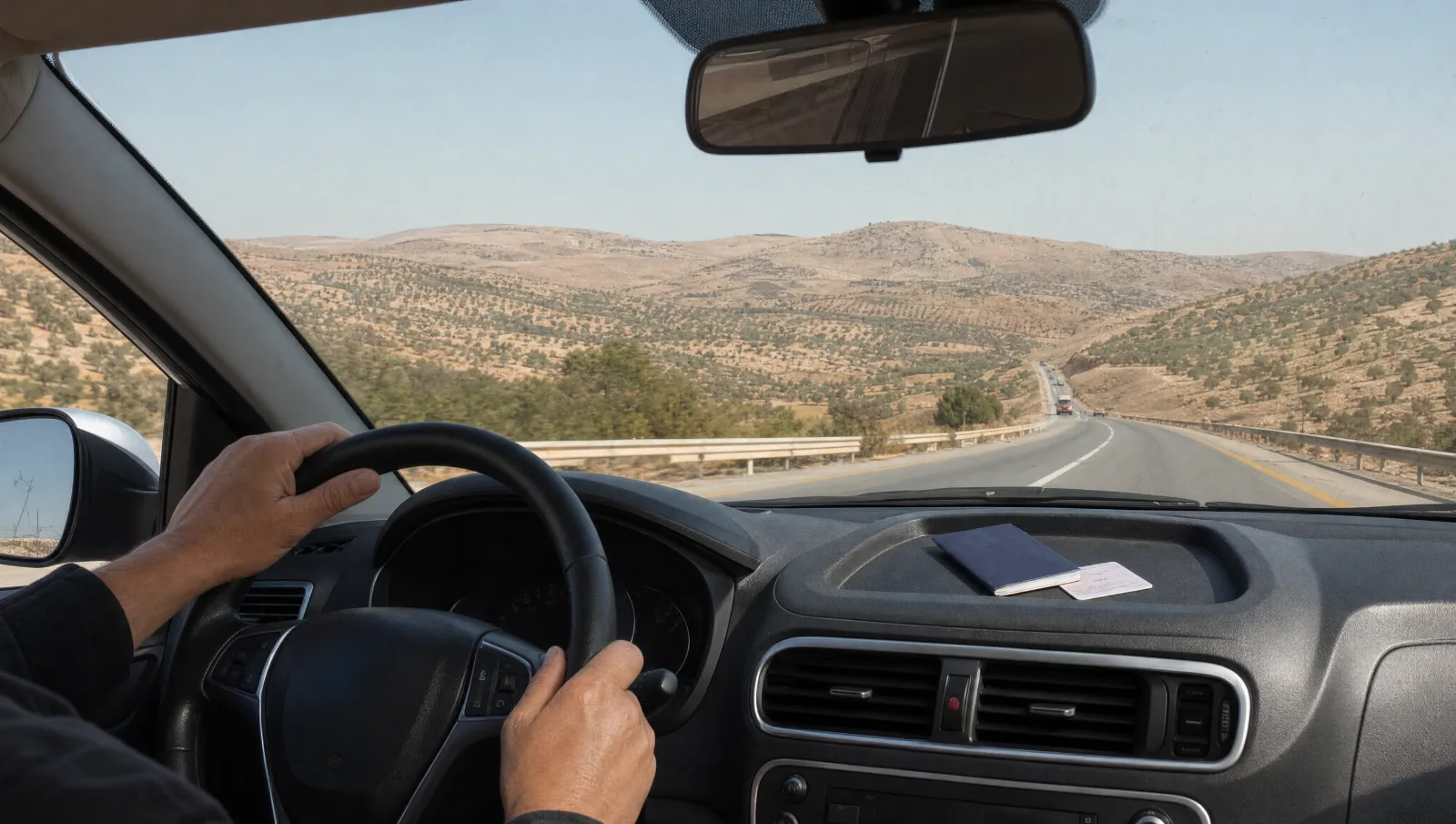
In practice that means a rental or leased car suits city work, intercity travel on the main roads — the M5 between Damascus, Homs, Hama and Aleppo, the coast road, the roads to the governorate centres — and office-to-site runs on paved roads. If a programme's field work regularly involves tracks, unpaved village roads or terrain that needs a purpose-built vehicle, that part of the fleet should be planned separately, and we would rather say so now than after the first claim.
Picking classes for the work, not for the cheapest line
The fleet runs from economy sedans to seven-seat SUVs, all automatic. As of October 2026, daily rates start at 55 USD for an economy car such as the Nissan Sylphy; the full list is on our cars page.
A few patterns that hold for most teams:
- City-based staff working between offices, ministries and hotels in Damascus are well served by a sedan. Parking is easier, and nothing about the work needs more.
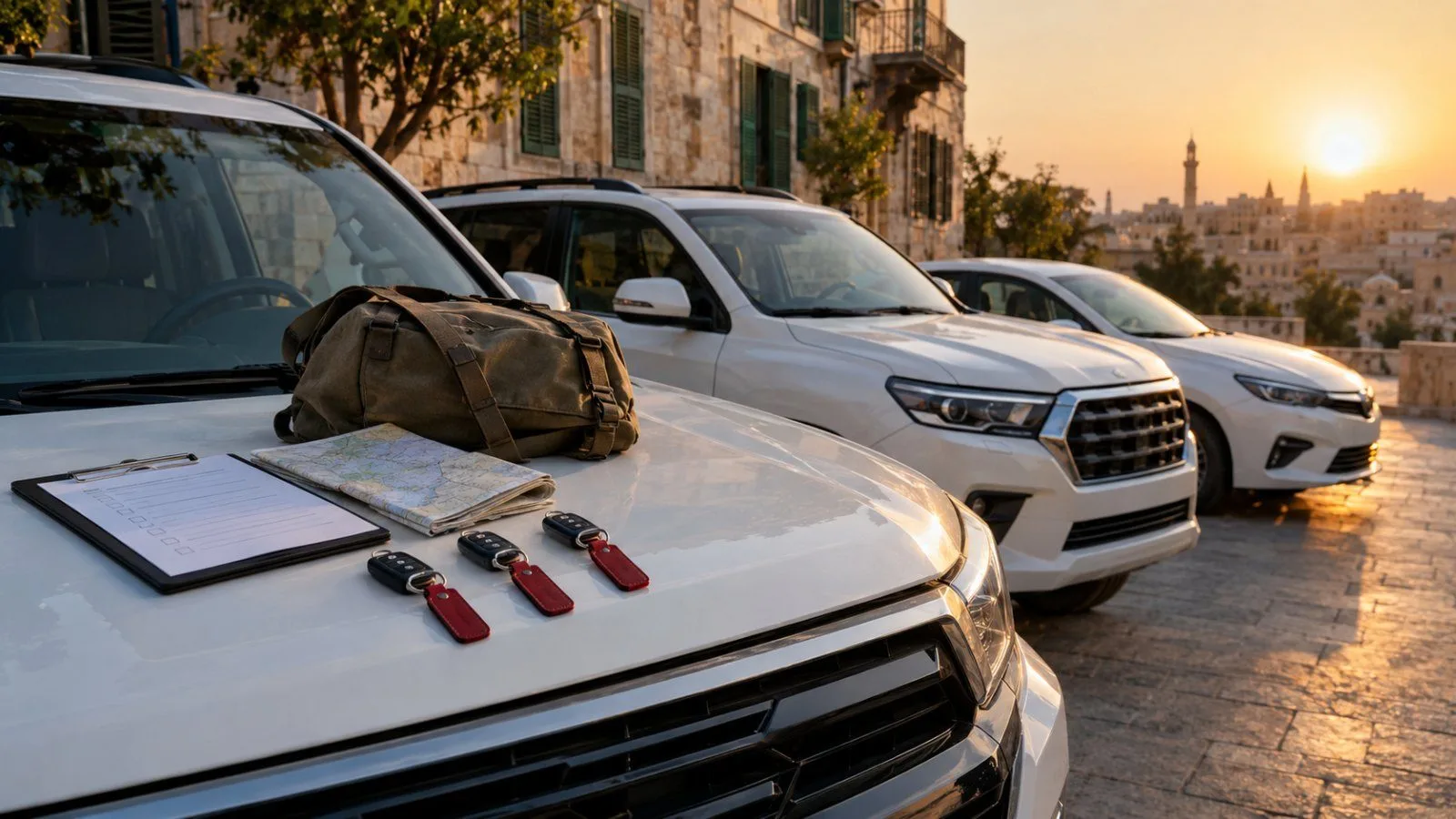
- Teams that travel together — an assessment team of five with equipment — fit a seven-seat SUV such as the Kia Sorento better than two sedans: one driver, one vehicle to track, one set of keys.
- Intercity regulars on the Damascus–Homs–Aleppo axis usually prefer a standard SUV for the ride height and the luggage space on long days.
If the cars will be based outside Damascus, delivery has a flat fee: 40 USD to Homs and Hama, 50 USD to Latakia and Tartus, 55 USD to Aleppo and Aleppo airport. On a lease, cars are handed over at your premises.
Paperwork for an organisation
A daily or monthly hire needs no more than the named drivers' licences and a signature. Nothing is held as a deposit — no cash, no card hold and no promissory note.
A corporate lease asks for three things: the organisation's commercial registration, identification for the signatory, and the contract itself, which we prepare and which you read before anything is signed. If your organisation's procurement rules need further documents — supplier registration forms, a quotation in a set format, a particular invoicing structure — say so in the quotation request and it is answered in the written quote.
When something goes wrong
Three rules cover almost every incident, and they are worth putting in the driver briefing.
- Call us first, on +963980436125, for anything: an accident, a breakdown, damage, theft. The counter is staffed around the clock.
- Report an accident or theft to the police as well. An insurance claim without a police report generally cannot be made.
- Do not agree a settlement with the other driver on our behalf, however reasonable it sounds at the roadside.
Traffic fines incurred during a hire belong to the hirer, including fines that reach us after the car has been returned. For an organisation, that is usually a question of which cost centre absorbs them, and it is easier to decide in advance.
What is not ours to answer
We will tell you exactly what our contract covers. Some questions sit with others, and we would rather draw the line than blur it.
Security and movement decisions belong to your organisation's own security focal point and, for UN-affiliated teams, to the relevant UN security arrangements. Official travel advice from your government is the baseline; the UK Foreign Office page for Syria is one example. We do not assess routes for safety.
Compliance and donor rules — whether a given contract, supplier or payment route is acceptable under your funding agreements and the sanctions rules that apply to your organisation — are for your compliance team. We will supply whatever documents they need to decide.
Insurance detail beyond what is written on the agreement is something to ask us about in writing before you book, so the answer is on paper for your file.
A short list for whoever signs off
- Decide the timeline first: days, months, or a programme. It picks the contract.
- Collect the driver list and name every driver on the agreement before they drive.
- Confirm the cars will stay on paved roads inside Syria.
- Match classes to how the team actually moves, not to the cheapest line.
- Agree internally who absorbs traffic fines.
- Include the three incident rules in the driver briefing.
- For anything over a year, ask for a lease quotation.
Fleet questions go to the same people who run the branch: +963980436125 or hello@tab-car.com.